Tumble Bees Blog
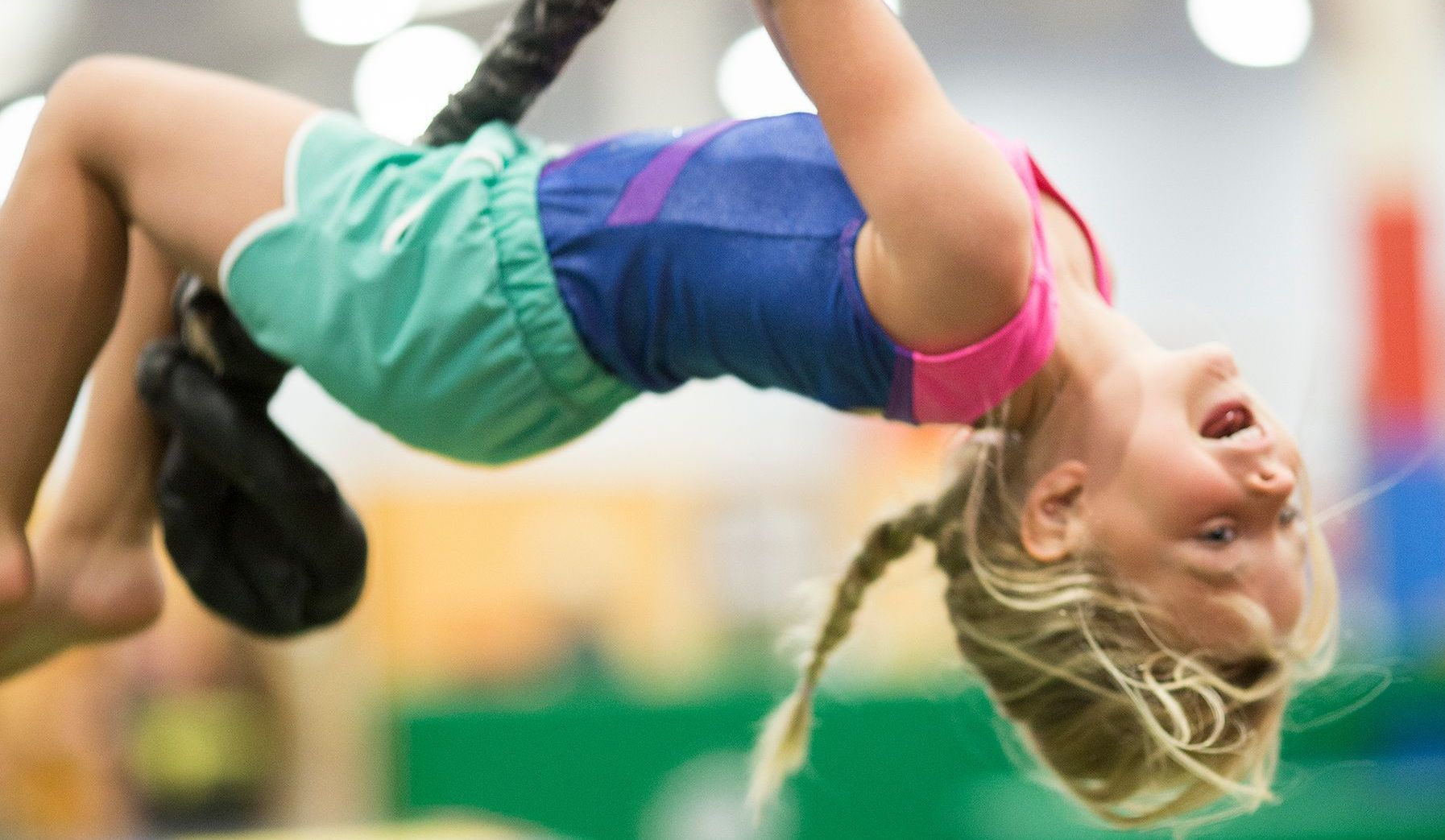
Did you know that play is critical for a child's growth and development? In fact, the United Nations recognizes it as a right for every child! (Ginsburg, 2007). When you play with your child, it boosts their self-esteem, helps them learn about the world, teaches them new skills, and strengthens the bond between you two. Getting involved in playtime with your child is a great way to help them feel good about themselves. However, we encourage you to allow your child take the lead during playtime. Doing this allows your child to gain so many social and emotional benefits! When you allow your child to direct play, they go at their own speed, make choices, and figure out what they really enjoy. Studies also show that when kids get to direct their own play, it helps them with self-control, managing their emotions, and feeling good about who they are. However, when adults take over the playtime, some of those benefits—like building leadership and creativity—can slip away (Ginsburg, 2007). Playtime is also key for brain development. It’s how little ones start to connect with their surroundings. As they explore and tackle challenges, they pick up new skills and build confidence and resilience, which are super important for facing life's ups and downs. Plus, having consistent and loving interactions with parents during playtime really helps their development. Simply put, playing together makes your bond with your child even stronger! And guess what? Playing with your child is good for you too! Research shows that when parents join in on the fun, they release oxytocin, the "trust hormone." This helps build relationships and can even reduce stress, lower blood pressure, and ease anxiety (Dewar, 2019). So, playtime is a win-win for you both! And, maybe you already engage regularly in play with your child but are looking for opportunities to encourage their independence! Open Play at Tumble Bees is a safe and easy way to help foster that within your child. During Open Play, our Tumble Bees teachers monitor the gym space so that you can send your little through the gate for an hour of independent fun while you relax knowing your child is free to explore and engage with other children their age!

Gymnastics and Tumbling classes can significantly benefit your child's performance in other sports by improving their core physical abilities like flexibility, balance, coordination, agility, and body awareness. These ability are are crucial for performing well in a wide range of athletic activities, allowing them to move more freely and potentially reducing the risk of injury. The skills developed in gymnastics and tumbling essentially act as a foundational training program for various sports. Key benefits of tumbling for other sports: Enhanced Flexibility: Tumbling exercises like splits, stretches, and back bends improve overall flexibility, which can be beneficial for quick movements, absorbing impact, and preventing muscle pulls in other sports like soccer, basketball, or gymnastics. Improved Coordination and Balance: Skills like cartwheels, handstands, and somersaults helps children develop better spatial awareness and control over their body movements, leading to better coordination on the field or court. Increased Agility: The dynamic movements we practiced in Gym Jam and Tumble Bees train the body to quickly shift direction and change posture, which is crucial for agility in sports like tennis, hockey, and field hockey. Strength Development: Every class engages various muscle groups, building core strength and stability, which is essential for power and endurance in most sports. Mental Focus and Discipline: Learning tumbling skills often requires concentration and practice, which can translate to improved focus and mental discipline during other athletic activities. Examples of how tumbling can benefit specific sports: Soccer: Improved agility to quickly change direction while dribbling, better balance to maintain control of the ball. Basketball: Enhanced jumping ability and coordination for dunking and rebounding, better body control for quick changes in direction. Volleyball: Improved jumping and landing techniques for powerful spikes and better reaction time to the ball. Track and Field: Increased flexibility for improved running form and better ability to recover from falls.
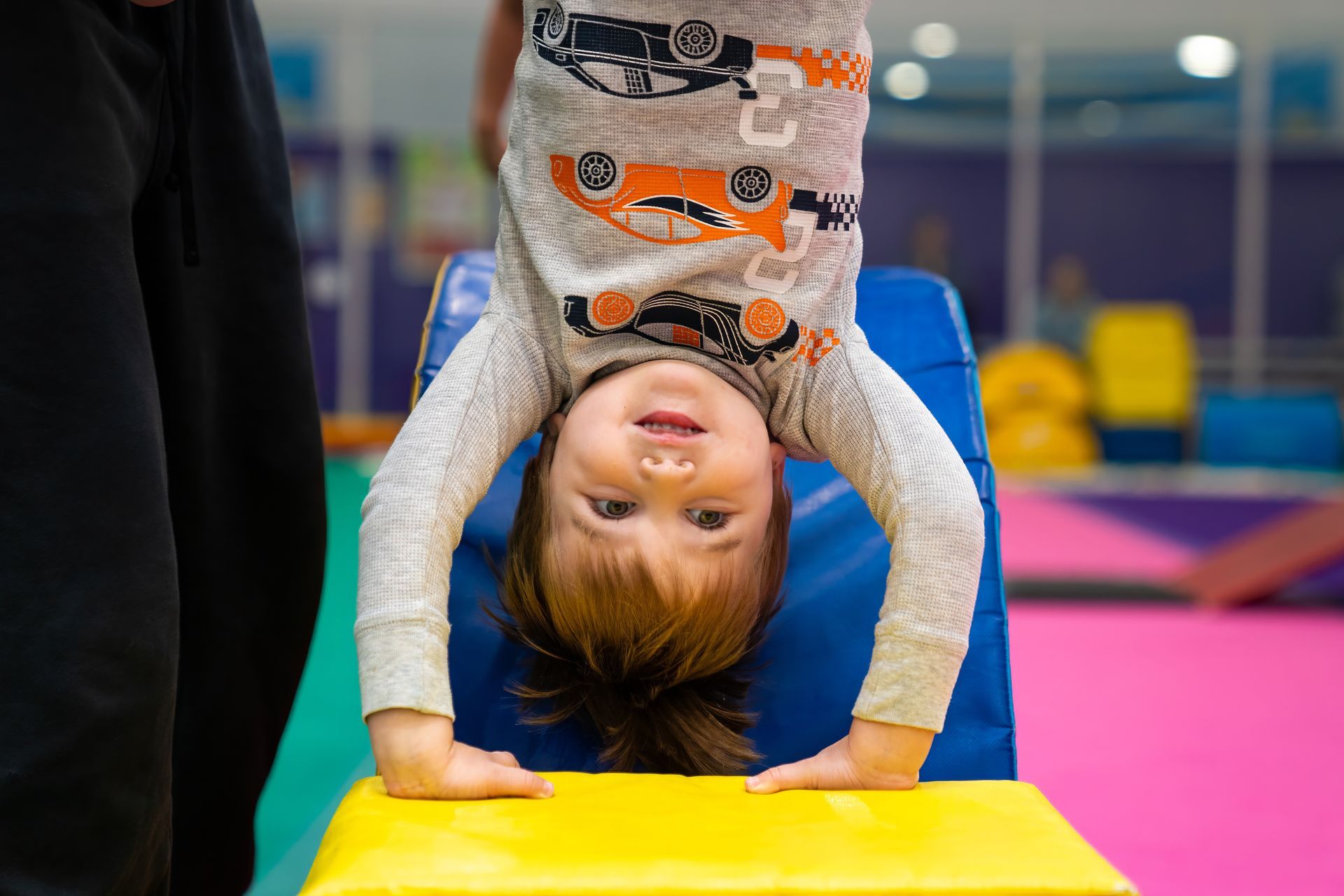
Backwards and Locomotor in Tumble Bees